
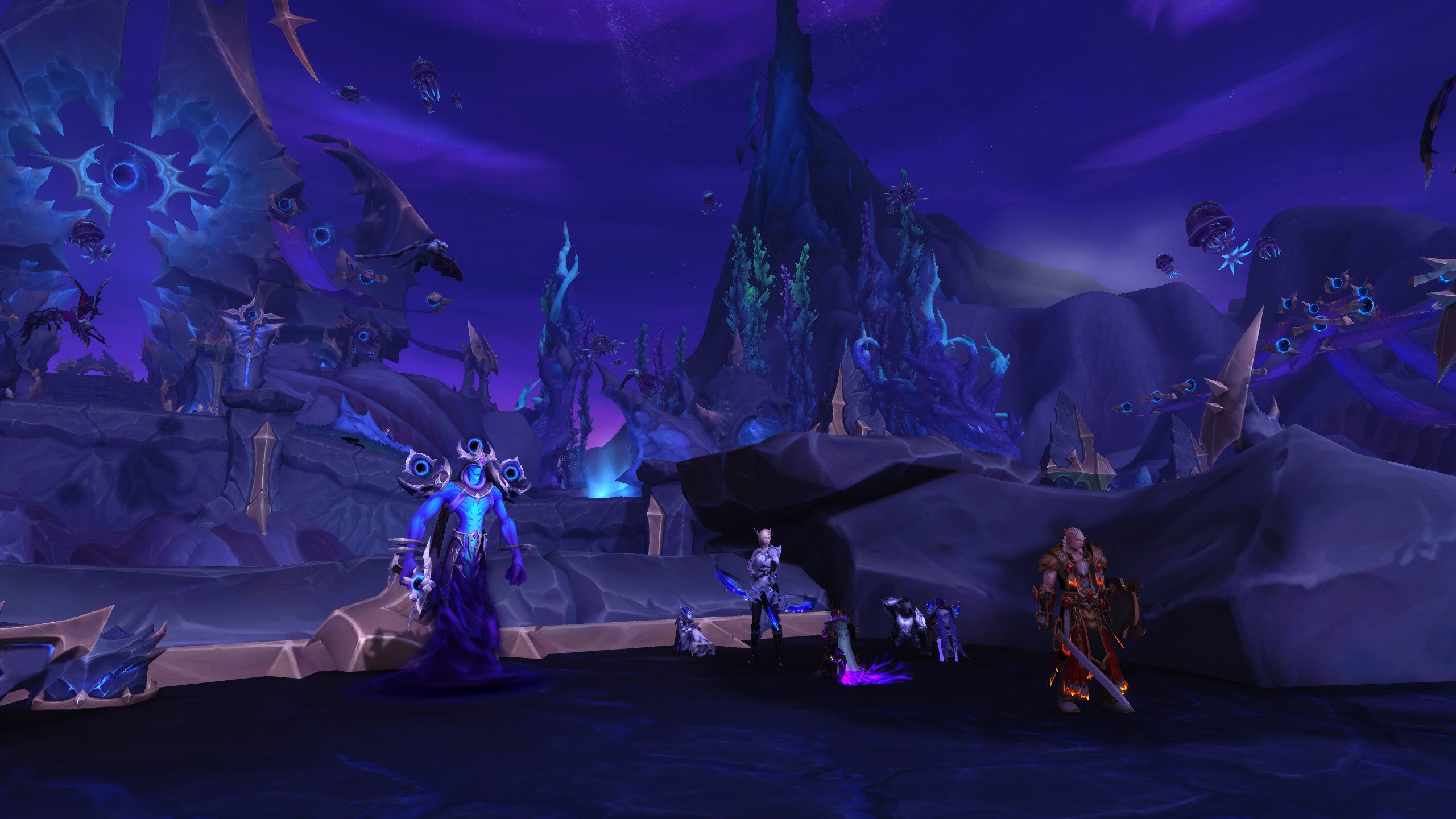
The vocabulary of World of Warcraft is so pervasive that it has bled into the general lexicon of gaming, and sometimes, even into everyday speech. Words that were once specific to Azeroth—”aggro,” “nerf,” “buff,” “kite”—are now used by players who have never touched an MMO. This guide explores the “Linguistic Legacy” of WoW, detailing how a game’s specific terminology became the universal language of the modern gaming world.
Defining the Gaming Lexicon
When you hear a player in an entirely different game talk about “aggro ranges,” they are speaking the dialect of Warcraft. The game’s design necessitated precise, rapid communication, and that efficiency turned into a cultural standard. Terms like “CC” (crowd control), “DPS” (damage per second), and “nerf” (reducing power) weren’t invented by WoW, but they were popularized and standardized by it. Because millions of players spent years speaking this language in raid groups and party chats, it became the “lingua franca” of the entire medium. If you play games today, you are likely using a vocabulary that was refined in the dungeons of Azeroth.
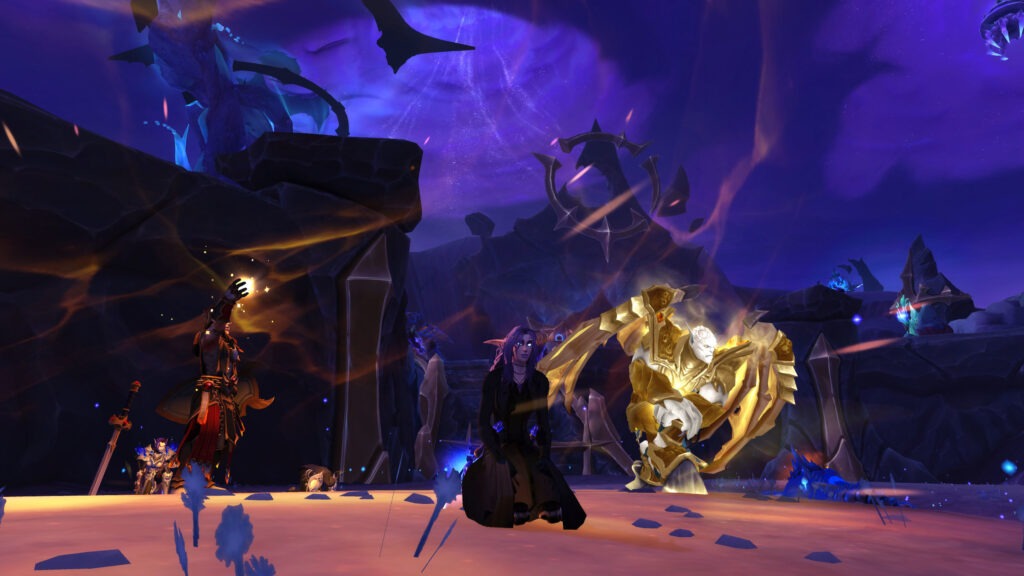
This slang also provides a sense of community identity. Using “WoW-speak” is a way of signaling that you are an experienced player. It acts as a shortcut; instead of explaining a complex concept, you use one well-defined term that every other player understands instantly. This efficiency is why the slang stuck. It wasn’t just about being cool; it was about being fast. In a high-stakes raid environment, you don’t have time to say “the enemy is currently focusing their attention on a specific player”—you say “taunt the boss,” and the entire team knows exactly what to do.
Linguistic Exports
| Term | Original WoW Context |
|---|---|
| Aggro | The focus of an enemy’s attention. |
| Nerf | A reduction in a character’s effectiveness. |
| Kite | Leading an enemy away without being hit. |
| Pug | A pickup group of random players. |
The Resilience of the Language
These terms remain relevant because they are functional. They describe specific gameplay situations that occur in almost every digital experience. Even as game design evolves, the core challenges of managing threats, balancing power, and coordinating groups remain the same. By providing the tools to describe those challenges, World of Warcraft cemented its place as the definitive historical reference point for how we talk about, play, and analyze the entire medium of video games.



Leave a Reply