
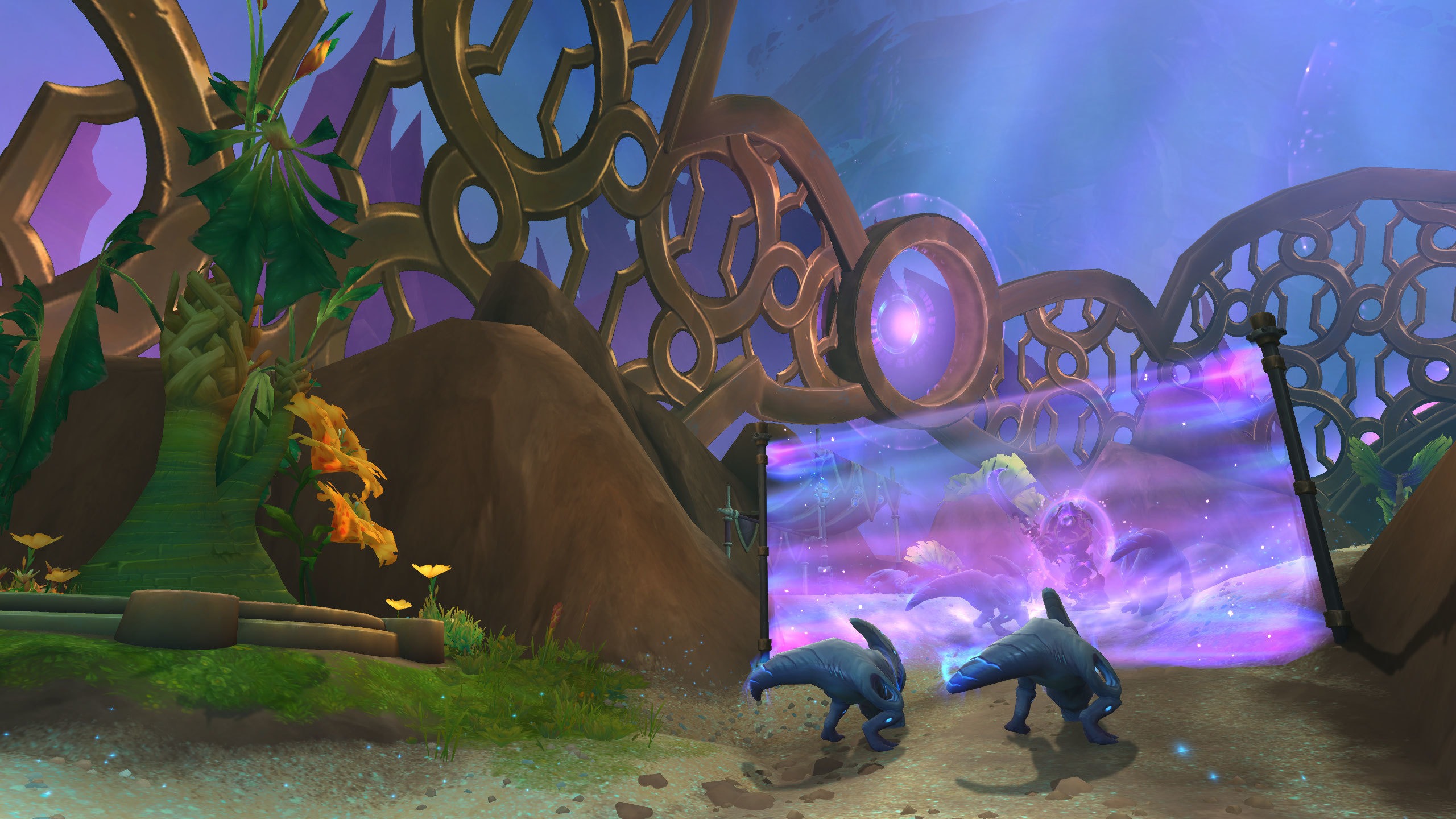
Dungeon trash packs are no longer simple obstacles between boss fights. Modern dungeon design turns these encounters into fully realized challenges that demand planning, awareness, and coordination. Trash enemies now feature layered abilities, dangerous overlaps, and mechanics that punish careless pulls. As a result, success in dungeons increasingly depends on how well groups handle trash rather than how quickly they defeat bosses.
Trash Packs Define Dungeon Pace
Each trash pull sets the rhythm of a dungeon run. Pulling too aggressively can overwhelm healers and exhaust cooldowns, while playing too cautiously wastes valuable time. Groups must judge pack size carefully, deciding when to combine enemies and when to isolate them. These decisions shape momentum and often determine whether a run stays smooth or slowly unravels.
Enemy Abilities Demand Priority Control
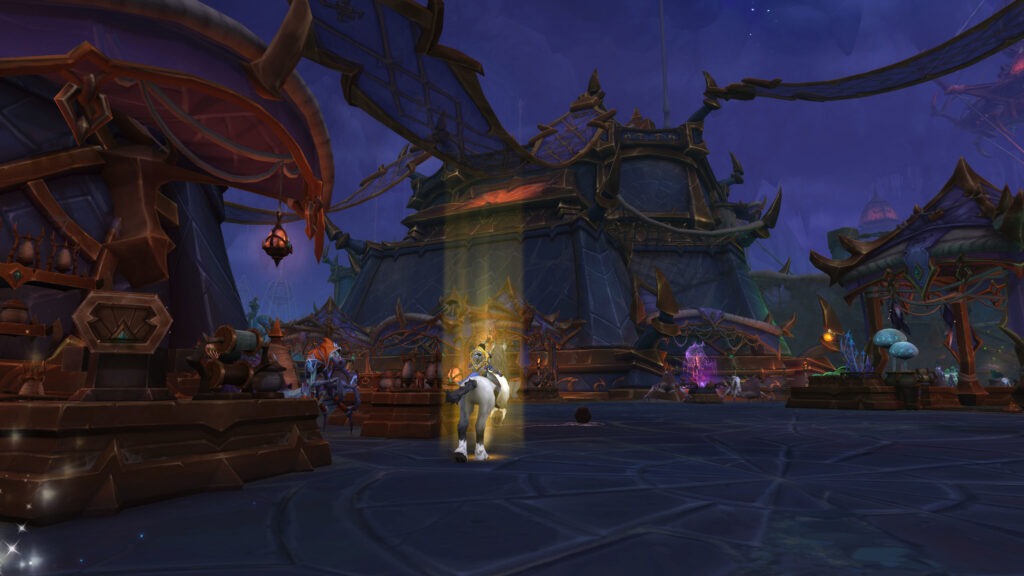
Trash enemies now rival bosses in mechanical danger. Interrupt rotations, crowd control, and target prioritization are essential tools rather than optional optimizations. Missed interrupts or poorly timed stuns can lead to heavy damage spikes or instant deaths. Groups that assign responsibilities clearly handle these encounters cleanly, while uncoordinated teams struggle even with modest pulls.
Positioning and Pull Strategy Matter
Where trash is fought often matters more than how hard it is hit. Line-of-sight pulls, enemy facing, and spacing can drastically reduce incoming damage. Skilled tanks position packs to minimize overlap while keeping enemies grouped for efficient damage. Proper positioning turns dangerous trash into manageable encounters.
| Trash Element | Main Threat | Required Response |
|---|---|---|
| Caster mobs | Uninterrupted spells | Assigned interrupts |
| Elite melee packs | Tank burst | Defensive planning |
| Patrolling enemies | Accidental pulls | Pull timing |
| Buffing mobs | Damage amplification | Priority targeting |
Trash Encounters Reward Team Discipline
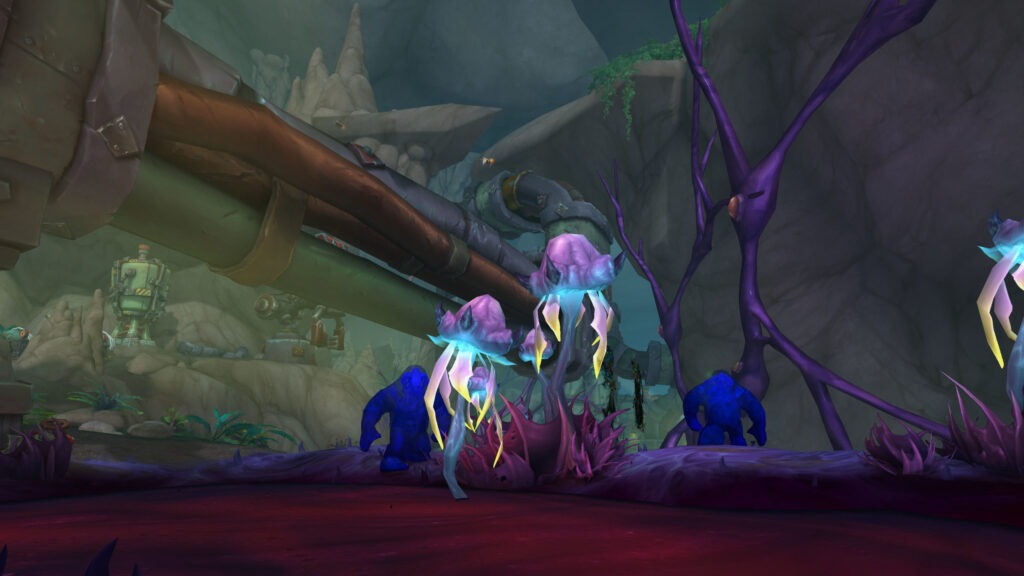
Groups that respect trash mechanics gain consistency and confidence. Clear communication, disciplined cooldown usage, and awareness of surroundings turn dungeons into controlled experiences rather than chaotic brawls. Trash is no longer filler content—it is where good groups distinguish themselves.
Conclusion
Dungeon trash encounters have evolved into tactical challenges that demand attention and coordination. With meaningful mechanics and real consequences for mistakes, trash now plays a central role in dungeon success. Groups that master these encounters gain smoother runs, higher success rates, and greater control over dungeon pacing.



Leave a Reply