
As you journey through the annals of Azeroth’s history, you’ll find that World of Warcraft’s (WoW) cinematic evolution mirrors the epic quests and sprawling sagas contained within its universe.
From the humble beginnings of Vanilla WoW, where storytelling was more about setting a modest stage for players, to the grandiose and emotionally charged cutscenes in Shadowlands, you’ve witnessed a metamorphosis that could rival any of the in-game transformations.
Each expansion brought with it not just new lands and lore, but a leap forward in the art of digital storytelling, with Blizzard Entertainment pushing the envelope of cinematic technology and narrative depth.
As the curtain rises on this discussion, ponder the advancements that have been made, and consider how they’ve not only embellished the game’s narrative but have also impacted the wider landscape of video game cinematics.
What lies ahead could shift your understanding of the power and potential of in-game storytelling, inviting you to explore the unseen corners of Azeroth’s ever-evolving epic.
The Origins of Azeroth
Delving into the origins of Azeroth, you’ll uncover a mythical tapestry woven from the cosmic struggles of ancient deities and primordial forces. The world you’ve come to know through countless quests and epic battles is steeped in a lore that’s as rich and complex as any ancient saga. At the heart of this universe, the eternal conflict between the Horde and Alliance shapes the land, with capital cities standing as bastions of hope and power for their respective factions.
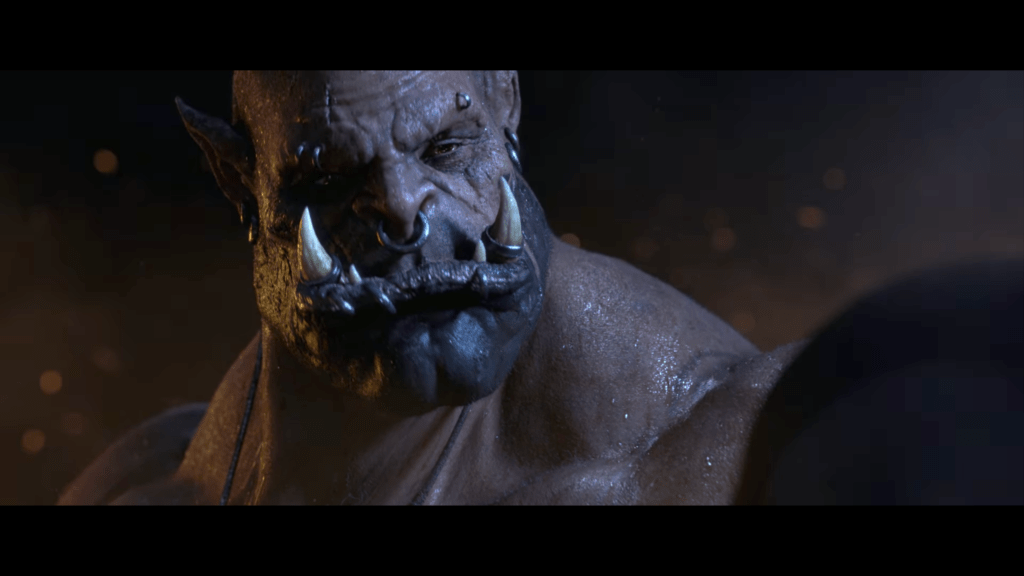
You’ve seen it evolve from the original concept, a brainchild of visionaries like Jeff Kaplan, to the sprawling epic it’s today. The cinematic trailer that first introduced you to the shores of Azeroth promised adventure and camaraderie in a realm where magic and legend intertwine. It set the stage for a saga where you’d forge alliances and face adversaries that challenged the very fabric of this mystical world.
Every login, every raid, every foray into the unknown has been a step further into this meticulously crafted universe. From the echoing halls of Ironforge to the imposing spires of Orgrimmar, you’ve lived the tale that began as a mere sketch in the minds of its creators, growing into the legend that now spans continents, dimensions, and even time itself.
The Burning Crusade’s Advances
Building on the rich lore of Azeroth, The Burning Crusade brought significant advances in World of Warcraft’s storytelling, with enhanced cinematics that further immersed you in the game’s expanding universe. You weren’t just playing; you were living a saga where every Warcraft review praised the depth of its narrative. The game action was no longer confined to mere text and quests; it leaped from the screen through cinematic sequences that captured the essence of a world in the midst of cosmic conflict.
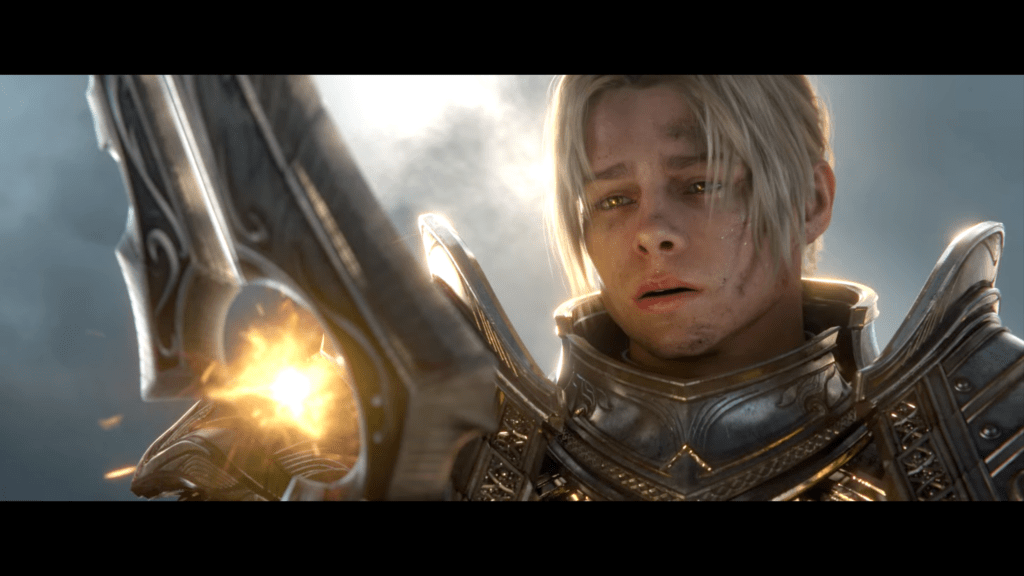
As you ventured beyond the Dark Portal, you noticed a marked improvement in the visual storytelling. Cutscenes now had the gravitas to match the lore-heavy quests that led you to iconic locations like Icecrown Citadel. Activision Blizzard dedicated resources to ensure that the cinematics paralleled the epic quality of the game’s content, setting a new standard for in-game storytelling.
The introduction of the Iron Horde in subsequent expansions would rely on the foundations laid during The Burning Crusade era. You saw not just a game evolve, but a whole universe, one cinematic at a time. With each new chapter, the bar was raised, and you found yourself more engrossed in the fate of Azeroth and its denizens.
Lich King’s Cinematic Leap
With the arrival of Wrath of the Lich King, World of Warcraft’s cinematics took a monumental step forward, capturing your imagination with unprecedented storytelling and visual fidelity. You couldn’t help but be drawn into the icy realm of Northrend, where every snowflake and gust of freezing wind felt palpable. Blizzard wasn’t just showing you a story; they were immersing you in one.
You witnessed the infamous Lich King, Arthas, in all his chilling glory, far surpassing what you’d seen in the game’s previous expansions. The detail in his armor, the haunting glow of Frostmourne, and the somber expression on his face all conveyed a narrative depth that was new to the in-game cinematics. It wasn’t just about cool visuals; it was about connecting you emotionally to the characters and the world.
With each cinematic release, Blizzard raised the bar, and you were there to see it. The Wrathgate sequence alone was a cinematic achievement that melded gameplay and storytelling in a way you hadn’t experienced before. As the gates crumbled and the battle ensued, you weren’t just watching events unfold—you were part of them. The Lich King’s cinematic leap wasn’t just technical; it was an invitation into a richer, more engaging WoW universe.
Warlords of Draenor’s Innovation
Warlords of Draenor significantly advanced World of Warcraft’s cinematic domain, introducing innovative storytelling methods that transported you to the heart of Draenor’s savage beauty. You witnessed a palpable shift in how Blizzard approached in-game cinematics, with more dynamic camera movements and complex character animations that made every scene more immersive.
You weren’t just watching events unfold; you were part of the action. The use of in-game models for main characters in cinematics meant that you saw the same heroes you’d meet on your journey, rather than pre-rendered versions. This continuity helped bridge the gap between gameplay and storytelling, making the world feel more cohesive and alive.
Blizzard also upped their game in environmental storytelling. As you explored Draenor, you’d come across vignettes and scenes that told silent stories of the world’s past and present, adding layers to your understanding of the land and its inhabitants.
Furthermore, Warlords of Draenor showcased Blizzard’s commitment to pushing the boundaries of what could be done within the game engine. Cinematic quality reached new heights, setting a precedent for future expansions. It was clear that the team was dedicated to not just maintaining, but elevating the narrative experience for players like you.
Shadowlands’ Visual Masterpiece
Continuing the cinematic evolution, Shadowlands further refined Blizzard’s artistry, presenting a visual feast that transcended previous expansions. As you delve into this otherworldly expansion, you’re greeted with a stunning tapestry of visuals that aren’t just beautiful but narratively powerful.
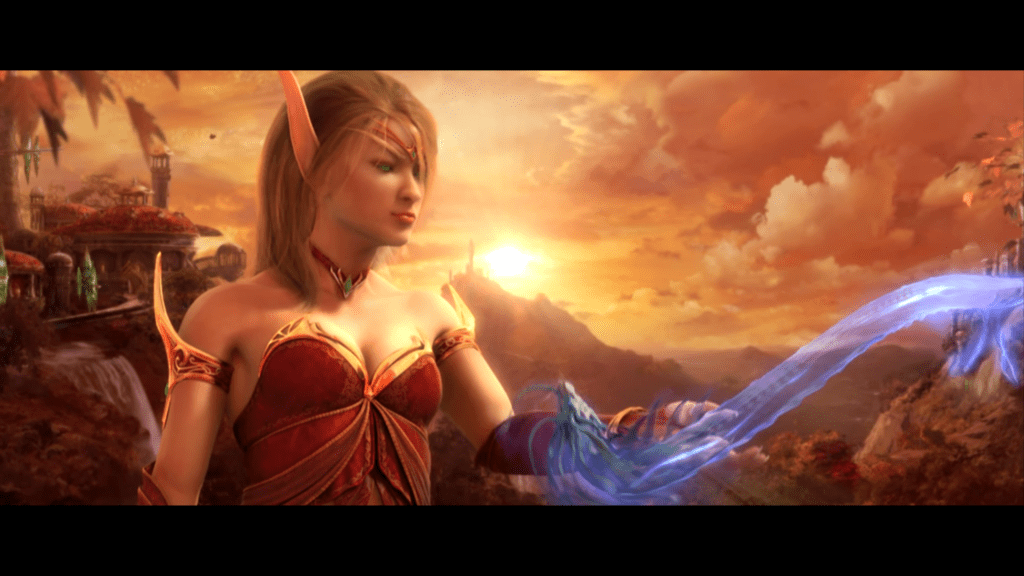
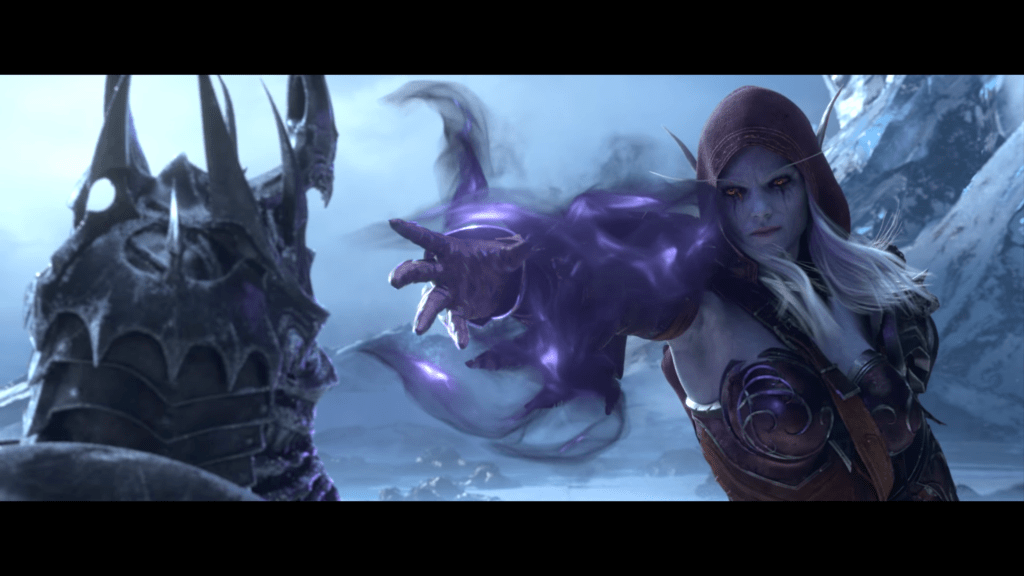
The cinematic team at Blizzard didn’t just step up their game; they leaped into a new era of storytelling. You witness an array of distinct zones, each boasting unique aesthetics that tell their own story. From the ethereal beauty of Bastion’s serene landscapes to the gothic spires of Revendreth, every frame is meticulously crafted. It’s in the details where you see Blizzard’s dedication—the way light dances off surfaces, the intricate textures, and the fluidity of character animations.
Shadowlands’ cinematics aren’t just about the visuals; they’re an emotional journey. You feel the weight of the narrative through the expressive faces of characters like Jailer and Sylvanas. Each expression, each movement, is captured with remarkable precision, pulling you deeper into the World of Warcraft saga.
Conclusion
You’ve journeyed through Azeroth’s tapestry, from its humble origins to the breathtaking vistas of Shadowlands. Each chapter in WoW’s saga brought visual marvels, pushing the envelope further.
‘A picture is worth a thousand words,’ they say, and WoW’s cinematics have told epic tales that resonate in the hearts of many. So, revel in the cinematic grandeur that’s evolved before your eyes, for it’s not just a game—it’s a living, breathing digital universe.
Join me on a journey through the realms of Azeroth and uncover even more hidden treasures, class strategies, and epic raid encounters in my other articles. Adventure awaits beyond this page, so start your quest for knowledge by exploring my Warcraft chronicles!





Leave a Reply